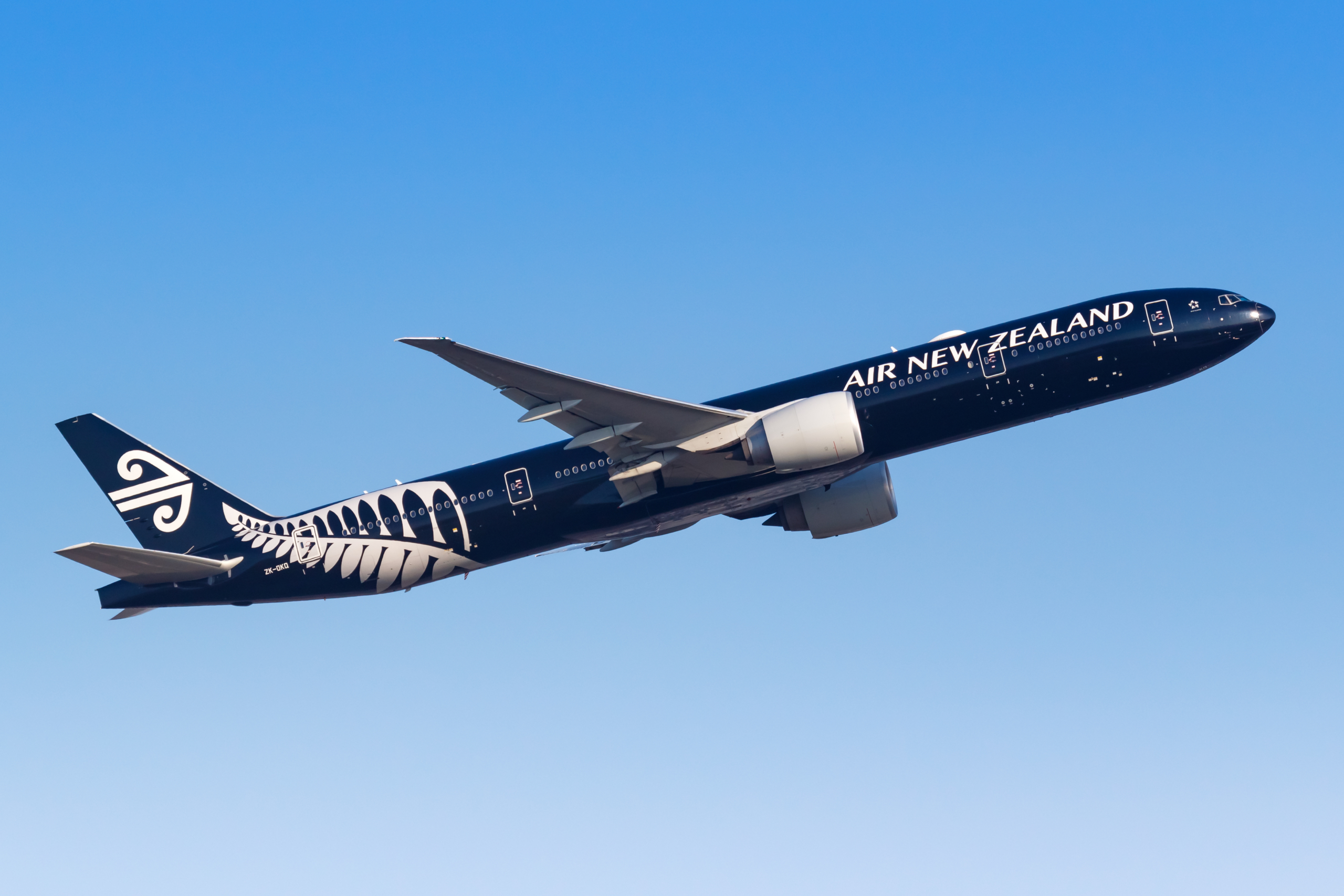
Air New Zealand has reported a pre-tax loss of NZ$336 million ($199.9 million) for the financial year ended June 30, reversing a pre-tax profit of NZ$164 million ($97.6 million) recorded in the previous year. The carrier's net loss after tax reached NZ$242 million ($144.0 million), compared with a restated net profit of NZ$108 million ($64.3 million) in the prior fiscal period.
Despite the overall financial loss, the airline experienced growth in passenger demand and top-line earnings. Air New Zealand's total revenue increased to approximately NZ$7 billion ($4.17 billion), while passenger revenue rose to NZ$6.1 billion ($3.63 billion). However, escalating operational expenses expanded significantly faster than revenue generation throughout the twelve-month reporting period.
Surging jet fuel prices represented one of the largest unexpected expenditures for the carrier. Air New Zealand estimated that geopolitical conflict in the Middle East raised its second-half fuel expense by NZ$328 million compared to expectations. After factoring in fuel hedging strategies, the net additional fuel cost stood at around NZ$205 million ($122 million). Despite adjusting ticket prices and reducing capacity, the airline estimated that higher fuel prices reduced its pre-tax result by approximately NZ$135 million ($80.3 million).
Fleet availability challenges further impacted performance as the airline dealt with engine reliability problems. The issues affected Pratt & Whitney Geared Turbofan (GTF) engines fitted on its narrowbody Airbus A321neo fleet and Rolls-Royce Trent 1000 engines powering its long-haul Boeing 787 aircraft. Air New Zealand estimated that these engine availability issues cost the carrier approximately NZ$190 million ($80.3 million) during the financial year, resulting from lost capacity, replacement lease costs, lower aircraft utilization, and operational inefficiencies.
Operational cost pressures were compounded by higher maintenance spending across the fleet. Maintenance expenses increased by around NZ$139 million ($82.7 million) compared with 2025, excluding foreign exchange effects, driven by lifecycle maintenance requirements. Nevertheless, Air New Zealand indicated that more aircraft are returning to active service, with fleet reliability expected to improve as the year progresses.
