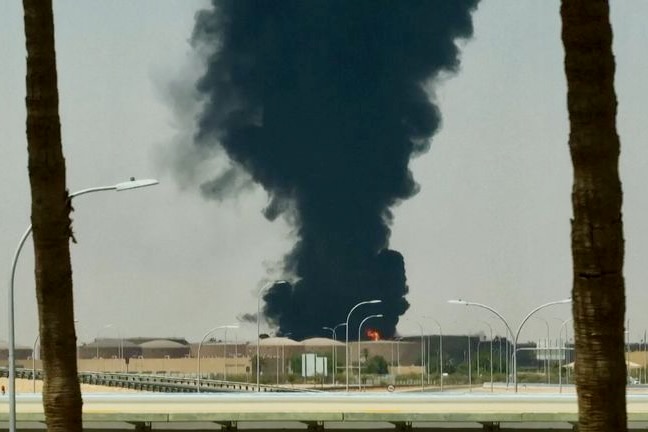
According to AeroTime, flights were disrupted at King Khalid International Airport (RUH) in Riyadh on September 19, 2026, following an attack claimed by Yemen's Houthi rebels. A fire at a fuel storage depot sent thick black smoke over the airport, causing flight operational delays. The Houthi rebels claimed they launched missiles and drones toward the Saudi capital, while local authorities confirmed that they intercepted several incoming threats.
Saudi officials reported that the country intercepted a ballistic missile targeting Riyadh and successfully thwarted separate attacks aimed at other cities, including the Red Sea oil-export hub of Yanbu. Shortly before 03:00 local time, residents in Riyadh received alerts advising them to stay indoors, hearing two explosions before the warning was lifted about thirty minutes later. The security situation has renewed concerns over global energy supply security as airlines face rising operational fuel costs.
In a separate development over the same weekend, Russia's energy infrastructure was targeted in a massive drone assault launched by Ukraine overnight into September 20, 2026. Russian authorities claimed they intercepted 1,110 drones nationwide, with at least 450 directed towards Moscow. The drone strikes damaged Moscow's main oil refinery and grounded commercial flights at the capital's three primary airports. Disruptions to such facilities threaten the supply of refined jet fuel, exacerbating price pressures on commercial carriers.
The International Air Transport Association (IATA) fuel monitor reported that the average global refinery price of jet fuel rose to $181.46 per barrel, representing a 6.1% increase from the prior week. In response to these soaring costs, several carriers have adjusted schedules. American Airlines temporarily suspended selected routes during August and September. Additionally, airBaltic filed for U.S. Chapter 11 bankruptcy protection this month, citing geopolitical instability and fuel prices, while Ryanair reduced its annual passenger target by two million to limit exposure to expensive winter fuel.
