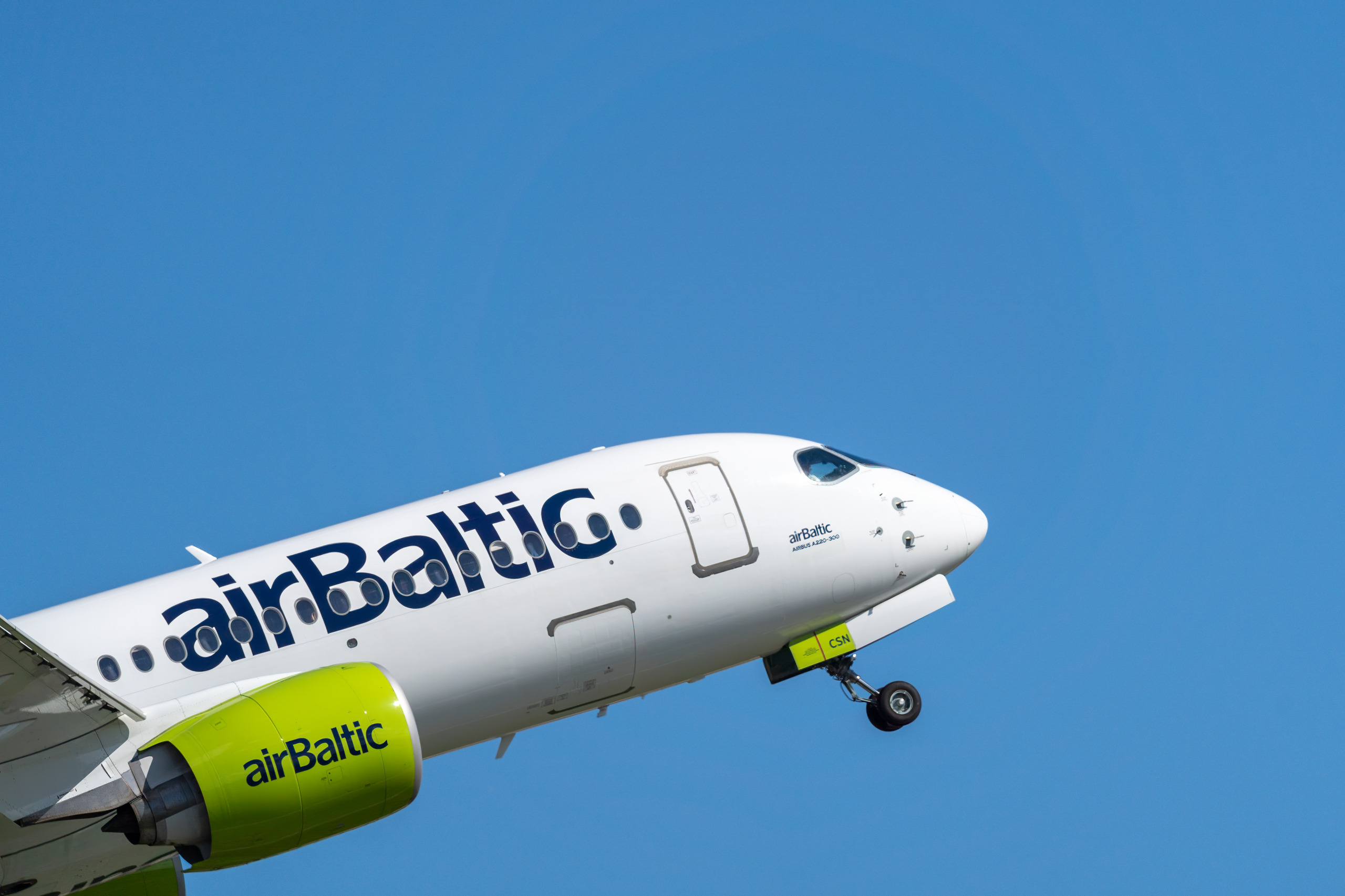
Latvia's flag carrier airBaltic filed for Chapter 11 bankruptcy protection in the United States Bankruptcy Court for the Southern District of New York on 14 September 2026, launching a court-supervised restructuring to reduce debt while keeping flights operating. The airline said scheduled flights, ticket sales, reservations and customer services would continue normally throughout the process, with existing tickets, vouchers and credits remaining valid.
airBaltic said it has secured commitments for €350 million ($405 million) in debtor-in-possession financing from a group including Strategic Value Partners, Barclays, Hayfin Capital Management, Morgan Stanley and Oaktree Capital Management. The facility carries an interest rate of SOFR plus 8%, equivalent to around 12% at current rates, and remains subject to court approval. The financing is intended to provide liquidity while airBaltic negotiates with creditors, aircraft lessors and other stakeholders. The airline expects to complete the Chapter 11 process around June 2027.
The carrier currently operates an all-Airbus A220-300 fleet of 54 aircraft, but announced a new business plan in August 2026 that will reduce the fleet to 36 aircraft by the end of 2026 before gradually returning to around 40 by 2031. That represents a striking reversal from airBaltic's previous strategy, under which the airline planned to operate as many as 100 A220-300s.
The airline's difficulties were sharply aggravated by the rise in oil and jet fuel prices following the outbreak of the US-Iran war. airBaltic had not hedged its fuel requirements against the increase, leaving it particularly exposed to the surge in prices. However, its financial pressures predated the latest geopolitical shock and included high debt and aircraft leasing costs. The airline received a €30 million loan from the Latvian government in April 2026, and bondholders approved changes to the terms of €380 million in outstanding bonds in August, including the deferral of interest payments and a temporary waiver of minimum liquidity requirements. On 3 September, airBaltic announced an agreement for €257 million in interim financing.
The Latvian government remains its controlling shareholder with an 88.37% stake, while Lufthansa Group acquired a 10% minority holding in 2025 as part of a closer strategic relationship. Prime Minister Andris Kulbergs said the government continues to seek a strategic investor for the airline while the company restructures its obligations and reduces its fleet. Reuters reported in July that the Latvian government was in discussions with a potential strategic investor.
Andrejs Martinovs, Chairman of the Supervisory Board, said the Chapter 11 process provides a clear framework and timetable for reaching agreements with creditors, including aircraft lessors and other stakeholders, while allowing the company to continue operating. CEO Erno Hildén said the focus is on continuing to run the airline while implementing the changes set out in the new business plan, and that passengers should not notice the restructuring.
For passengers, airBaltic plans to operate all scheduled flights and continues to sell tickets for future services. The next steps include securing court approval for the financing and negotiating a restructuring plan with creditors, aircraft lessors and other stakeholders. The final shape of airBaltic's fleet and network has not yet been confirmed, although its revised business plan is expected to concentrate operations around Riga, optimise the size and use of its Airbus A220-300 fleet and reduce its underlying cost base.
