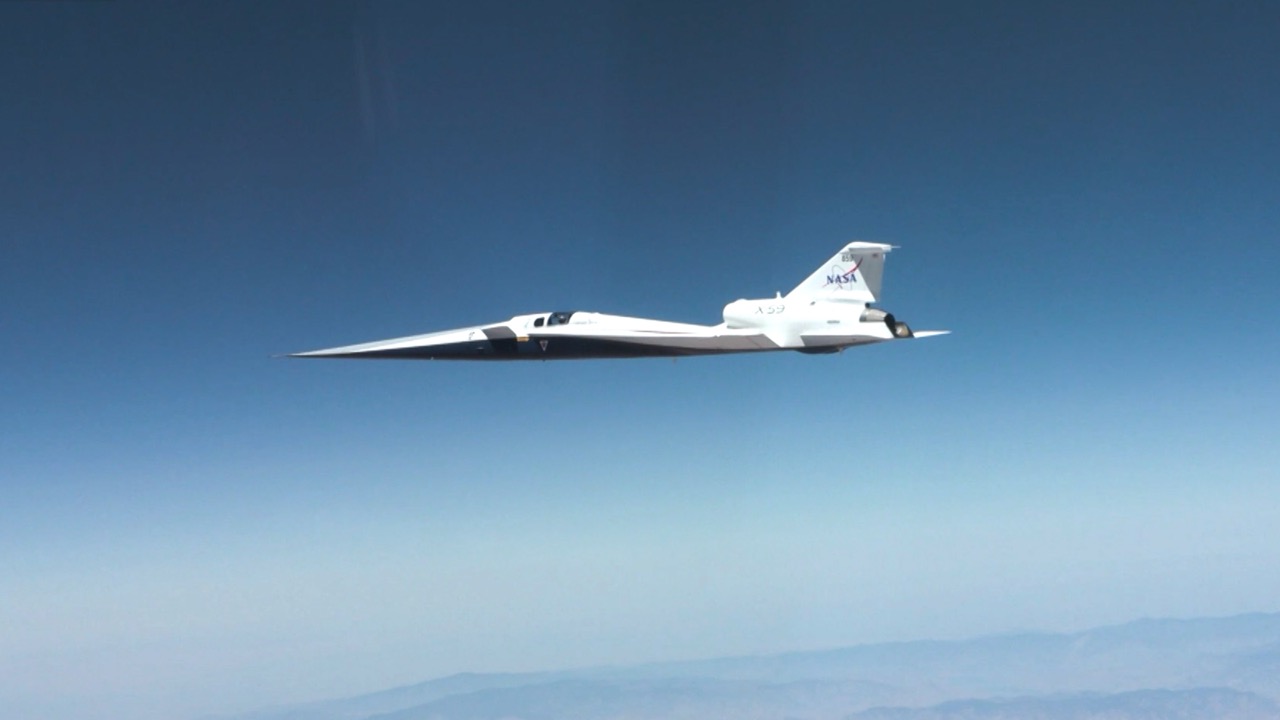
NASA has awarded approximately $30 million in cumulative research funding to four university research teams under the ninth round of its University Leadership Initiative (ULI) program. The multi-year funding awards are designed to support university-led aeronautics research addressing major technical challenges facing the aviation industry, including high-speed propulsion concepts, artificial intelligence applications in avionics systems, noise reduction for urban air mobility platforms, and streamlined aircraft certification procedures.
Among the selected projects, a four-year research initiative led by Terrence Meyer at the University of Minnesota focuses on developing a novel propulsion concept for very high-speed aircraft. The hybrid propulsion system is engineered to utilize a conventional turbofan engine for takeoff and subsonic flight, before transitioning to a specialized ramjet engine at supersonic speeds. This dual-mode approach aims to enable commercial aircraft to cruise efficiently at speeds of approximately Mach 4, or more than 3,000 miles per hour.
Stanford University secured two separate four-year research grants under the ULI award announcement. The first Stanford project, led by Somil Bansal, examines how machine learning and artificial intelligence can be safely incorporated into core aircraft avionics systems. Titled Safety Across Lifecycle of Learning-Enabled Avionics Systems: Safety Data Flywheel, the research aims to establish comprehensive safety evaluation frameworks that will assist regulators and aircraft manufacturers in introducing learning-enabled systems into the United States National Airspace System.
A second Stanford University project, headed by Juan Alonso, focuses specifically on reducing noise emissions from future urban air mobility operations and electric vertical takeoff and landing (eVTOL) aircraft. The research team will utilize advanced computer simulations to model how aircraft acoustic profiles propagate through complex city environments and mix with ambient background noise, helping operators identify and plan quieter flight paths over populated areas.
The fourth awarded project, led by Virginia Tech, focuses on innovative engineering methods aimed at reducing the overall time and cost involved in designing and certifying new aircraft. Project manager Andrew Provenza from NASA's Glenn Research Centre highlighted that these university research initiatives directly advance NASA's core aeronautics priorities while contributing to the modernization of future air traffic control infrastructure.
