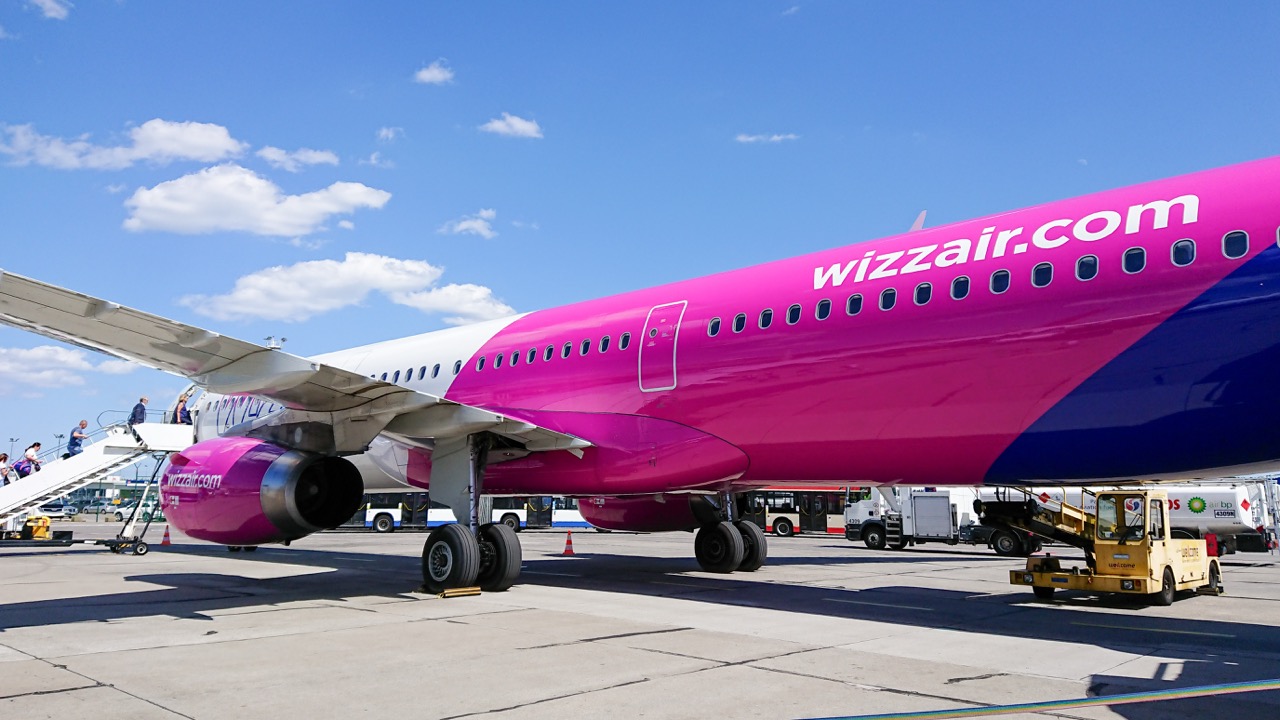
Wizz Air reported its first-quarter 2027 financial year results, with rapid expansion delivering strong passenger growth but lower fares, higher fuel costs and continued fleet disruption pushing the airline to a net loss. The ultra-low-cost carrier increased seat capacity by 25% year-on-year during the quarter, while available seat kilometres rose by 15%. The airline attributed the slower growth in ASKs to a shift from longer Middle Eastern services towards shorter routes within Europe.
The airline reported a net loss of approximately €198 million for the period. Management said demand remained strong, with load factors staying flat despite the sharp rise in capacity. Freetrade analyst Alex Pugh noted that demand for cheap flights was still there and passenger growth was strong, but said Wizz Air was "carrying more passengers but earning less per seat flown."
The conflict in the Middle East increased both fuel costs and operational disruption during the quarter. Wizz Air chief executive József Váradi said the airline did not assume that geopolitical conditions or fuel prices would improve quickly, stating that its baseline expectation was for fuel to stay high because anything else was speculative.
Despite that pressure, Wizz Air plans to operate its intended fleet programme and continue pursuing growth opportunities during the winter. Váradi pointed to the airline's €2.3 billion liquidity position, equivalent to close to 40% liquidity cover, which he said was probably the best of any airlines in Europe and even globally, or certainly amongst the best.
Wizz Air expects available seat kilometres to rise by around 20% during the second quarter, with load factors broadly flat and RASK slightly lower. Chief commercial officer Ian Malin said the airline was continuing to see resilient demand, with August roughly 79% to 80% booked and September between 40% and 50% booked, both trending ahead of last year. However, fares were trending between the mid-single digits and high-single digits below the previous year.
Wizz Air has been reallocating capacity from longer Middle Eastern services towards shorter domestic and intra-European routes. Management expects its average sector length to stabilise at around 1,500 kilometres from the next financial year. The shift is intended to increase sector productivity by enabling aircraft to operate more flights each day on shorter routes.
