
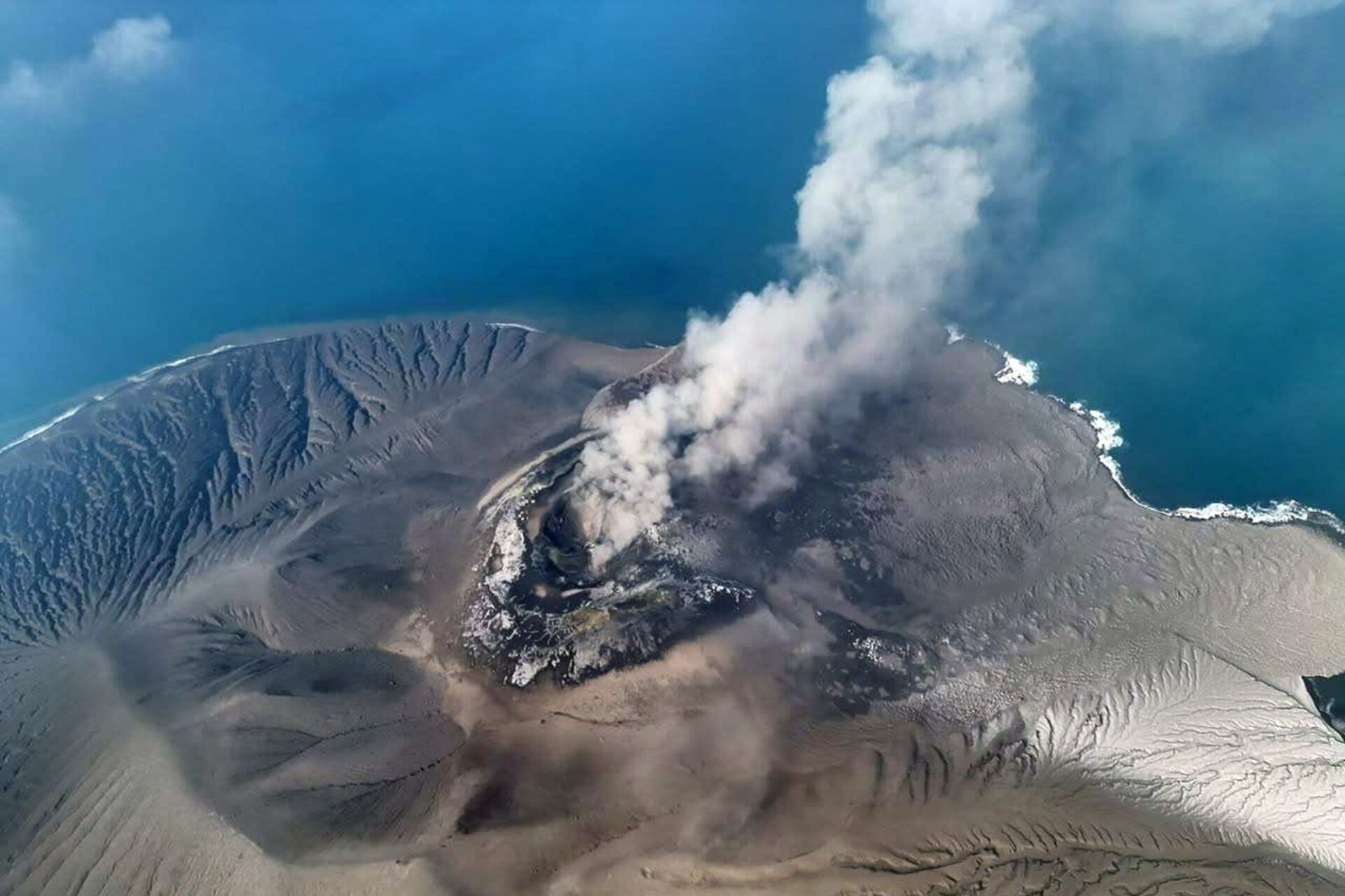
Indonesian Minister of Transportation Dudy Purwagandhi confirmed on September 6, 2026, that operational services at eight airports have been temporarily suspended following the eruption of Mount Anak Krakatau and the resulting ash cloud. The closures include Soekarno-Hatta International Airport (CGK), Jakarta's primary international gateway. The flight groundings have impacted travel schedules for thousands of passengers across the region.
According to the Center for Volcanology and Geological Hazard Mitigation (PVMBG) cited by Indonesian news agency Antara, the eruption commenced at 23:07 on September 4, 2026, and ended at 00:04 on September 6, 2026, followed by two subsequent eruptions later on September 6. Andri Ramdhani, Acting Deputy for Meteorology at the Meteorology, Climatology, and Geophysics Agency (BMKG), stated that ash dust was recorded moving up to an altitude of 20,000 feet to the east and 50,000 feet to the west.
In response to the hazards posed by the volcanic ash, AirNav Indonesia issued several Notice to Airmen (NOTAM) alerts closing the airspace surrounding the impacted airports as a safety precaution. Minister Purwagandhi detailed the eight affected facilities as Soekarno-Hatta International Airport, Halim Perdanakusuma Airport (HLP), Radin Inten II Airport (TKG), Husein Sastranegara Airport (BDO), Budiarto Curug Airport (RTO), Pondok Cabe Airport (PCB), Taufik Kiemas Airport (TFY), and Atung Bungsu Airport (PXA). Earlier in the day, only six airports were shut down, but shifts in wind direction forced authorities to add two additional airports to the closure list.
Minister Purwagandhi instructed operating airlines to provide passengers with transparent information regarding schedule changes, flight cancellations, or diversions, while ensuring that passenger rights are met according to governing regulations. Flag carrier Garuda Indonesia informed travelers that several flights to and from Jakarta are currently being adjusted due to the ash cloud from Mount Anak Krakatau. Meanwhile, BMKG confirmed it is intensifying round-the-clock monitoring of the eruption's development and its operational effects on atmospheric, aviation, and maritime conditions.
