The US Army announced that it has awarded the Flight School Next training contract to M1 Support Services L.P., headquartered in Denton, Texas. The fixed-price, indefinite-delivery/indefinite-quantity agreement is valued at up to $10 billion over a total potential execution period of 26 years. The decision represents a comprehensive overhaul of initial rotary-wing pilot instruction at Fort Rucker, Alabama.
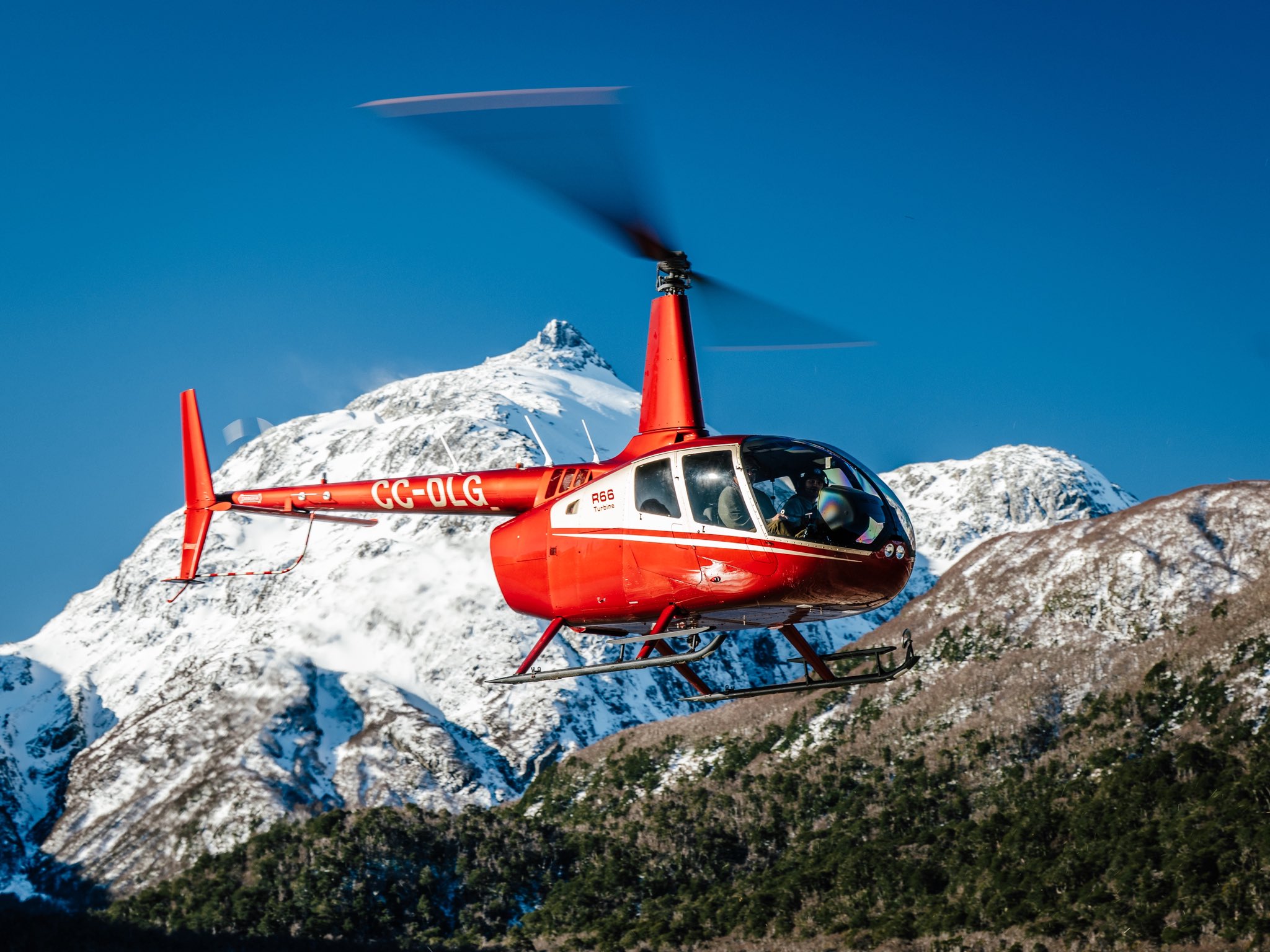
Under the Flight School Next initiative, the turbine-powered Robinson R66 will become the US Army's primary helicopter training platform. The R66 will assume the foundational training role currently executed by the larger Airbus UH-72 Lakota fleet. The program aims to strengthen foundational flying skills while reducing overall long-term costs associated with initial rotary-wing training.
The contract transitions the service away from relying on Army-owned primary training aircraft toward a contractor-owned, contractor-operated structure. M1 Support Services will consolidate multiple aviation training functions into a single integrated system, providing commercially available aircraft, flight simulators, academic instruction, flight teaching, maintenance, and technical support.
Flight School Next is designed to deliver initial entry rotary-wing flight training for between 800 and 1,500 new military pilots each year. For context, the US Army currently trains approximately 1,250 new aviators annually at Fort Rucker, maintaining one of the largest active pilot pools globally.
M1's winning bid centered on the five-seat Robinson R66 powered by a Rolls-Royce RR300 turboshaft engine, defeating a rival proposal from Bell that offered the Bell 505. M1's project team includes Robinson Helicopter, Quantum Helicopters, General Dynamics Information Technology, and the University of North Dakota Aerospace Foundation.
