


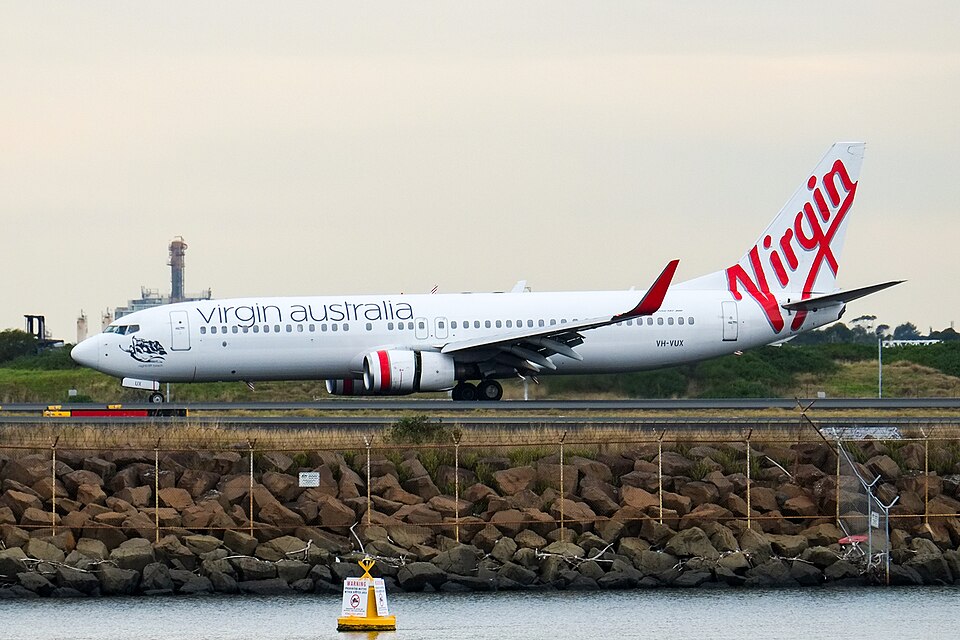
A Virgin Australia Boeing 737-800, registered VH-VUX, was operating flight VA219 from Melbourne to Adelaide on Wednesday when both pilots reported fatigue and asked to be stood down on reaching their destination. The aircraft continued to Adelaide and landed safely at 11:05 local time, about an hour after departing Melbourne; it had earlier operated flight VA814 from Sydney to Melbourne that morning. Once in Adelaide, both pilots were immediately offloaded and prevented from operating any subsequent sectors until they were considered fit to return to duty.
The decision followed Virgin Australia's fatigue risk management procedures, which allow pilots to report when tiredness affects their ability to perform their responsibilities safely. Declaring oneself unfit to fly is not an admission of wrongdoing; it is a safety measure designed to prevent potentially impaired crew members from continuing operations. The US Federal Aviation Administration notes that fatigue can reduce concentration, reaction time, memory and decision-making under pressure, and that coffee, medication, motivation and willpower cannot overcome fatigue — adequate sleep remains the most effective solution.
Fatigue management has drawn attention at Virgin Australia before. In May 2024, The Guardian reported that senior pilots had raised concerns about the airline's rostering arrangements, arguing that demanding schedules were contributing to fatigue, with consecutive duty days of 11–12 hours followed by the minimum 12-hour rest period permitted under the applicable rules. Virgin Australia responded at the time that it operated under a robust fatigue management system approved by the Civil Aviation Safety Authority (CASA), and that its pilots received 156 rostered days off annually. Last month, ABC News reported on an Australian Transport Safety Bureau (ATSB) investigation into a taxiway incident at Sydney Airport (SYD) involving Virgin Australia flight 1589 and Qantas flight 420, in which an air traffic controller had a high predicted fatigue risk after being rostered to finish at 8:50 PM and return to duty at 5:30 AM the following morning. The ATSB stressed that a high predicted fatigue level does not necessarily mean an individual is actually fatigued.