


The Association of Asia Pacific Airlines (AAPA) has called on governments across the region to provide timely, practical support to carriers facing sharply higher fuel prices and mounting operational hurdles. The appeal came at the close of its 70th Assembly of Presidents in Kuala Lumpur on November 13, 2026, a two-day event hosted by Malaysia Airlines that brought together more than 170 delegates under the theme "Redefining Aviation: Growth, Resilience and Innovation" and marked the association's 60th anniversary. "Governments must recognize these pressures and work constructively with the industry to provide support that safeguards the long-term viability of air transport across the region," said AAPA's Director General.
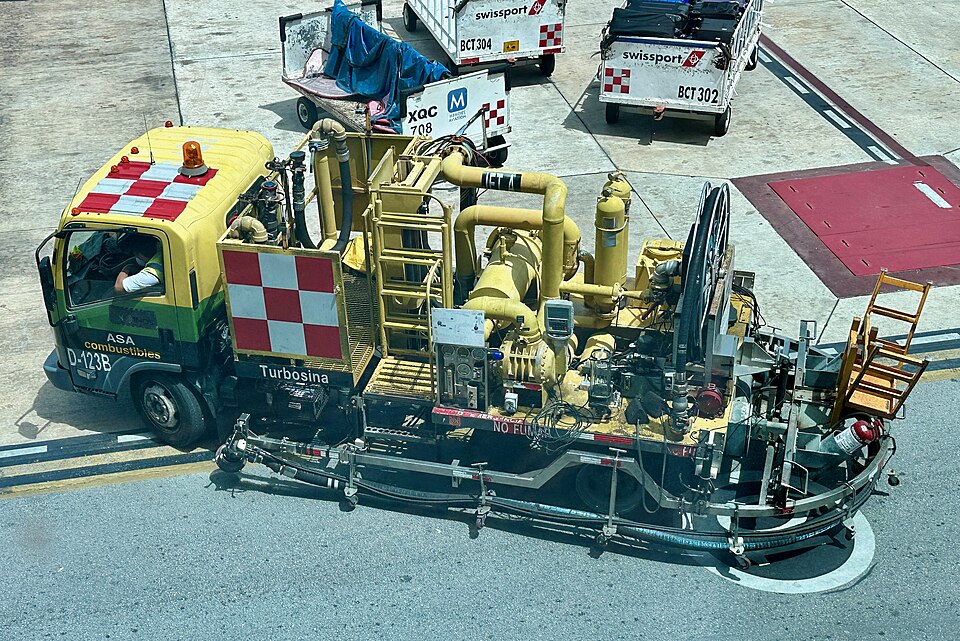
On the surface, demand has held up. Passenger traffic for Asia Pacific airlines grew 1.9% in the first nine months of 2026, and average load factors reached a record 83%. "Let's be candid. A full aircraft does not necessarily translate into a healthy bottom line!" AAPA's Director General told delegates during his opening address on November 13. Jet fuel was trading at around $186 per barrel in October, compared with $80 to $110 in recent years, and fuel now makes up about 33% of airline operating costs, with the jet fuel crack spread the widest the industry has seen in many years. "We have to consume fuel. We have to burn fuel. We have no alternatives, at least not now," he said, adding that airlines "end up being price takers." AAPA's aggregate passenger numbers were negative from April to August, before edging back "just above water" in September.
He stopped short of a specific wish list, urging governments instead to begin by benchmarking the taxes and fees they levy on airlines, such as departure taxes, landing fees and parking fees, against those of neighboring countries, and asking whether they are reasonable and actually support aviation. On fuel above $185 per barrel, he said: "That better not be the norm. If that's the norm, we have trouble. Not sustainable." He warned that if fuel prices stay where they are, "this could really be a problem," and said AAPA's biggest worry is a "snowball effect" in which one airline's distress spreads to others. The Assembly also adopted four resolutions covering aviation sustainability, passenger rights, cabin safety and aviation security, and reaffirmed a target of 5% sustainable aviation fuel use by 2030, though SAF still costs three to four times as much as conventional jet fuel.