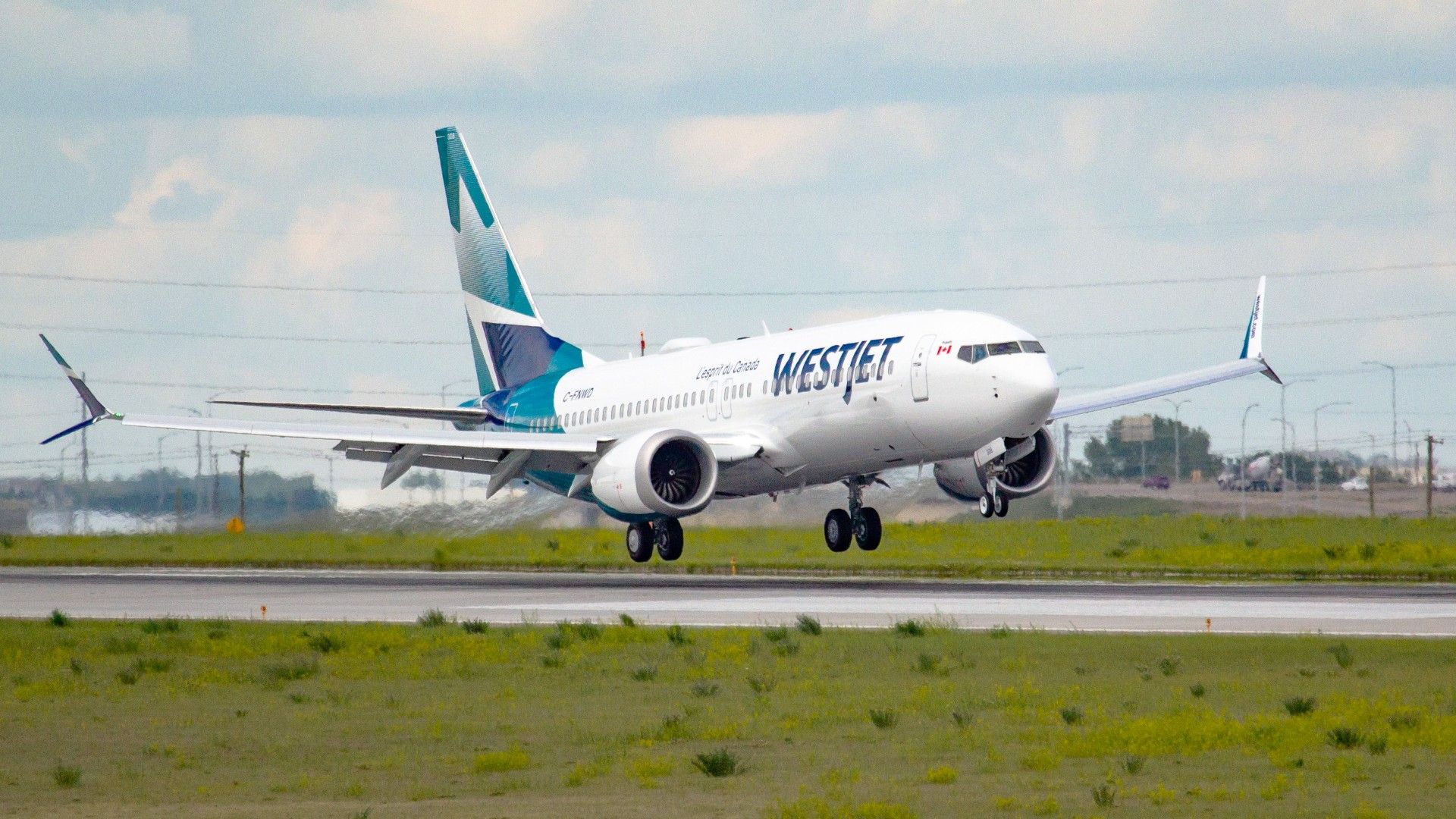
WestJet flight attendants officially commenced strike action on August 2, 2026, after nearly 11 months of contract negotiations between the airline and the Canadian Union of Public Employees (CUPE) Local 8125 failed to yield a new collective agreement. The labor action has forced WestJet to cancel more than 300 flights across its operating network as negotiations broke down without a deal.
The strike involves approximately 4,400 cabin crew members across the airline. Ahead of the deadline, WestJet had already begun grounding portions of its Boeing 737 passenger fleet in a deliberate effort to mitigate operational disruption and avoid stranding aircraft and passengers across various airports. Union leadership noted that bargaining representatives worked until the final minutes to negotiate a fair deal that recognizes the value of cabin crew duties, but stated that WestJet's offer did not go far enough.
A primary point of contention between the two parties centers on how flight attendants are compensated for work performed before departure and after arrival. CUPE Local 8125 argues that these essential duties remain unpaid under the existing pay system. Conversely, WestJet stated that these responsibilities are already factored into its current compensation structure, adding that its latest offer included explicit pay for all pre-flight and post-flight responsibilities along with a double-digit wage increase in the contract's first year.
WestJet clarified that while flight operations using Boeing 737 and Boeing 787 aircraft are affected by the cabin crew strike, other segments of its network remain active. Regional flights under WestJet Encore operated with De Havilland Dash 8 Q400 aircraft, as well as partner codeshare services operated by allied airlines, continue to fly as scheduled without disruption.
